To encourage the generation known as the boomers (https://www.youtube.com/watch?app=desktop&v=4PhwkuRD-Es ) to, at times, purchase a newly built property in 1973 unnecessarily, the Fed established a subsidy that allowed homeowners an exemption from the resale of the property of $250,000 if single and $500,000 if married. The run-on home prices caused inflation, which lasted until 1983, which ended due to the double-dipping recession. This recession was the worst period since the Great Depression. It gave birth to the Federal Reserve Bank.
In 1986, the fed extended capital gains tax exemption to second homes or vacation homes. This act created more desire for homeownership. It ushered in the demand for second home ownership to establish the proper status. This action wasn’t needed to encourage more home purchases. It worked in opposition to the purpose of the Federal Reserves. https://www.federalreserve.gov/aboutthefed/files/pf_1.pdf
This action did not help to bring about a rise in individual personal assets or fight consumer inflation. Looking back, we see it was needed to allow members of Congress to write off the expenses of having their second home in Washington, DC. These tax policies artificially increased home prices and gave new breath to the 1930s ideology that owning a home was an investment instead of a parking structure for personal savings.
In March 1982, the Adjustable-Rate Montages were introduced. They are often referred to by other names: ARMS or Zero- Ability-to Pay loans (Zap).
Home purchases were to be long-term purchases. Thus, we have 15, 20, and 30-year mortgages tied to ten-year T notes. These Zaps will Zap. They are linked to short-term notes, which adjust annually.
Pros of the ARM
- Lower interest rate at their beginning
- The person qualifies for money
Cons of the ARM
- Consumer easily overspends his ability to repay
- Tied to a short-term rate
- There is a greater risk of losing investment and all tied into it
- Arms take away the owners’ equity and give it to the lending institution
However, in the 1980s, Boomers followed Congress, their banker and the real estate professional lead, and walked off that financial cliff. We are still suffering from the effects of their actions. Its projected that we will continue to be until 2035.

Some became wealthy by manipulating the two-home system because you could claim the exemption every two years. They bought a new home, rented it out for the first two years, moved in for the last two years, and sold it, claiming tax exemptions. Many, however, didn’t make it through unscathed. They damaged their financial stability, lost their lives, and destroyed the families’ futures with their gamble, destroying the dream of a better future for the children. These actions may have caused Gen X and Gen Y to be burdened with educational debt. However, growing up in this turmoil will prove to be what makes them a savvier purchaser.
(BbBoomer X Gen X side by side)
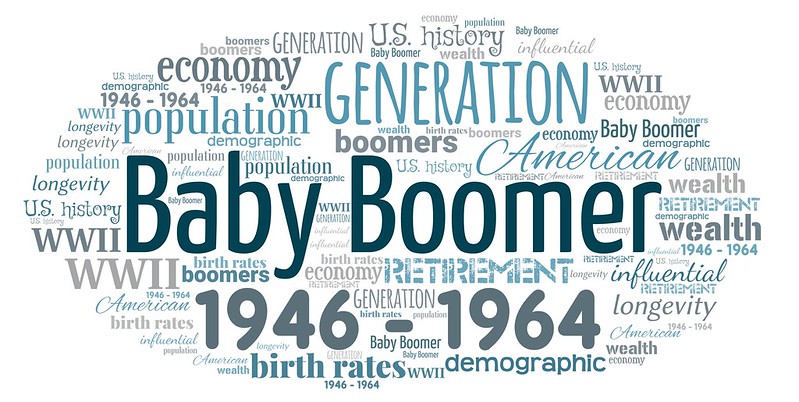

Bottom image is word association to Gen X.
Images Credit: www.epictop10.com
We’re in 2023, and Gen X and Y will soon slowly enter the housing market. But as they do so, the Boomers are retiring. To maintain their lifestyle, many have begun to cash in the stocks and bonds, no longer willing to accept their more significant risk. Because more and more stocks and bonds are entering the market, their prices are falling. Boomers are also selling the bigger homes and acquiring smaller, less upkeep, more reasonable dwellings. Doing so places them in competition with Gen X and Gen Y, but they have cash, though often unwilling to part with their nest egg.

(Image Credit: www.epictop10.com)
Gen X and Y have armed themselves with networking and internet researching skills. They have felt firsthand the drama of being house-poor or uprooted every two years. They have been investigating and are finding their way back to the fact that homeownership is a long-term investment and is about financial security.
If you seek an alternative to the status quo one-size-fits-all, cookie-cutter housing projects mentality and desire home ownership’s security, do not hesitate to contact Joe.
Joseph Erwin
California Real Estate Broker license # 02131799
California General Contractor license # B 696662 Email: spi.socal@gmail.com
 House 2 Homes
Leave a comment